
Resources
Articles
April 14, 2026
A Versatile Resource
by Pastor Dennis Norby
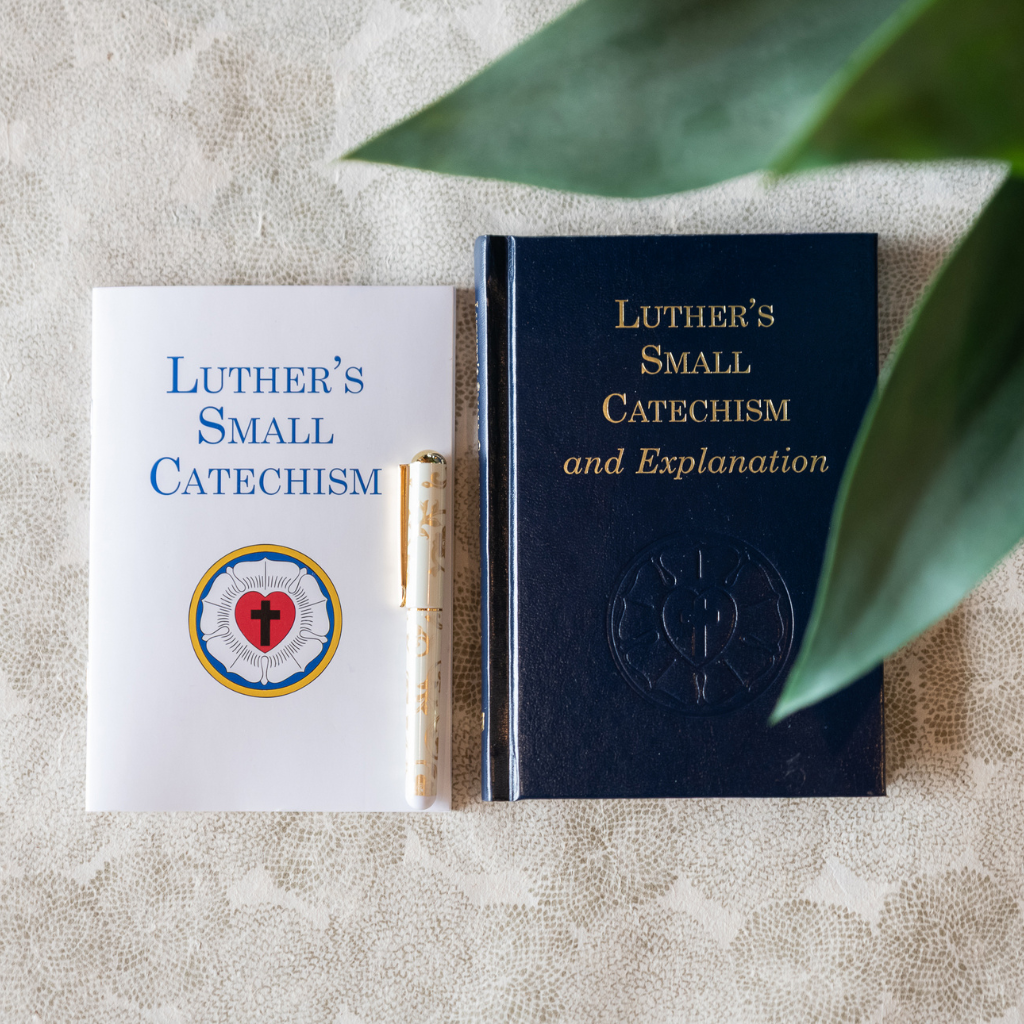
Martin Luther’s visits to the congregations of his day revealed a great need for instruction in the foundational teachings of the Christian faith. The need eventually prompted him to write the Small Catechism with headings noting that it was for the heads of households to teach their families. The wider church soon found it to be useful in more places than just the home.
Luther’s Small Catechism and Explanation is one of the most versatile resources we have available to us. It explains the basics of the Christian faith using language that is both clear and memorable. This makes it ideal for:
Sunday school and confirmation instruction
During Sunday school and confirmation instruction, teachers can regularly assign students sections of the catechism to memorize. The Ten Commandments and their meanings, as well as the articles of the Apostle’s Creed, the petitions of the Lord’s Prayer, and the questions connected with the sacraments, are all of such length and vivid language that they can be memorized and recited. Examples of such language in Luther’s explanations include easily recalled phrases like “We should fear and love God so that …” and “This is most certainly true.”
New members classes
Many people come to new members classes with basic understandings of many biblical teachings. However, they often don’t have a clear and simple way to organize them in their minds or the ability to articulate them when a question is raised on a specific doctrine. Luther’s Small Catechism puts the teachings of Scripture together in a way that follows the clear and profound division of God’s teachings into law and gospel language. The commandments lay out God’s will and show us our need for a redeemer. The Creed describes God’s work on our behalf as we speak of the actions of the Father, the Son, and the Holy Spirit. The Lord’s Prayer reminds us of the gracious access God has allowed for his children, and the sacraments describe the means by which he desires to deliver his gracious gifts of forgiveness and eternal life to us.
Evangelism
In many cases, unbelievers have concepts about who God is and what he has done that are founded on feelings or some rational explanation they have put together. The Catechism places in our hands the Bible’s declarations about our need for forgiveness as well as how it comes to us in Jesus Christ. I have often handed people the Small Catechism and read or pointed out the Second Article of the Creed and Luther’s meaning. It gives us objective statements to talk about, and the explanation that follows provides more questions and answers with Scripture references.
Thanks be to God for this amazing, versatile resource we have available to us. Can you think of other uses? Let us know if there are other ways you are using the Small Catechism in your church, home, or community.
Norby, who serves Grace and Zion Free Lutheran, Valley City, N.D., is the chairman of the Parish Education Board of Publications.
Article originally published in the March 2026 issue of The Lutheran Ambassador. Used by permission.
Adapting Curriculum for the Family
As a busy homeschooling mom of six, finding materials that both align with our Christian beliefs and meet our educational…
“I Believe; Lord, Use Me to Help Others Believe.”– Discernment and Discipleship
The foundational setting for faith strengthening and making disciples is everyday life in our families. An informal setting does not…

“I Believe. Lord, Use Me to Help Others Believe.”— Always Be Ready
“But sanctify Christ as Lord in your hearts, always being ready to make a defense to everyone who asks you to give an account for…