

God’s forgiveness is one of the most essential truths for children to internalize. Read below how Marian Christopherson has taught this idea to her Sunday school students at New Luther Valley Lutheran Church.
A Living Last Supper
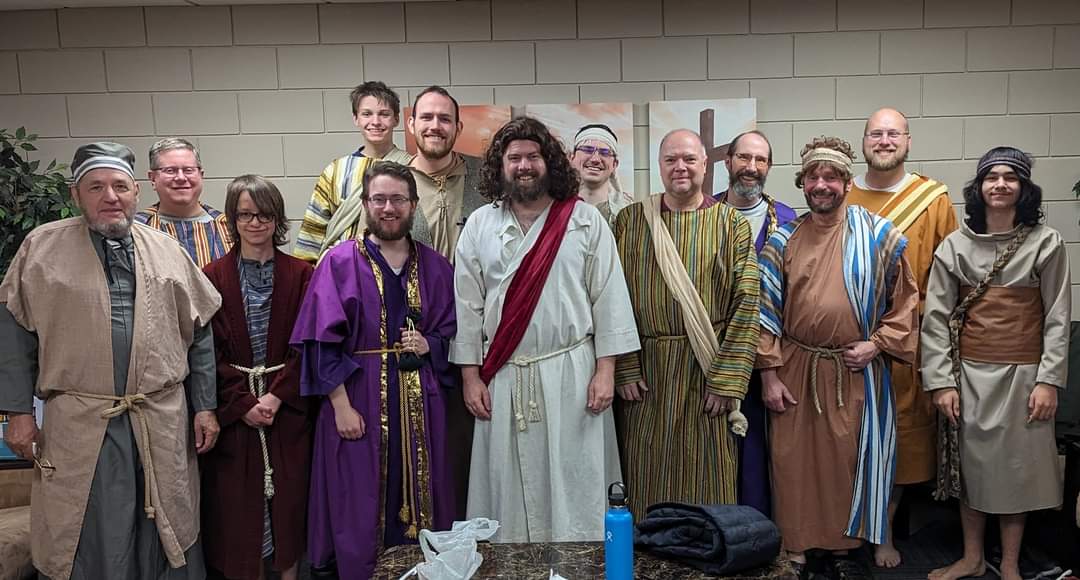
Over the last 4 years, Living Word Lutheran Church in Eagan has conducted a theatrical drama during Holy Week called “The Living Last Supper.” It has become quite a tradition, and something that the congregation looks forward to every year.

Getting to Know Jesus: An Interview with Leslie Hall, the Creator of Jesus A-Z

Probably over 30 years ago, I was visiting my mother-in-law in West Virginia. Her son was attending Liberty University at the time, and my mother-in-law would watch the chapel services. Once, when we were visiting, she said, “You’ve got to watch this sermon!” During the message,
Teaching the Fundamental Principles
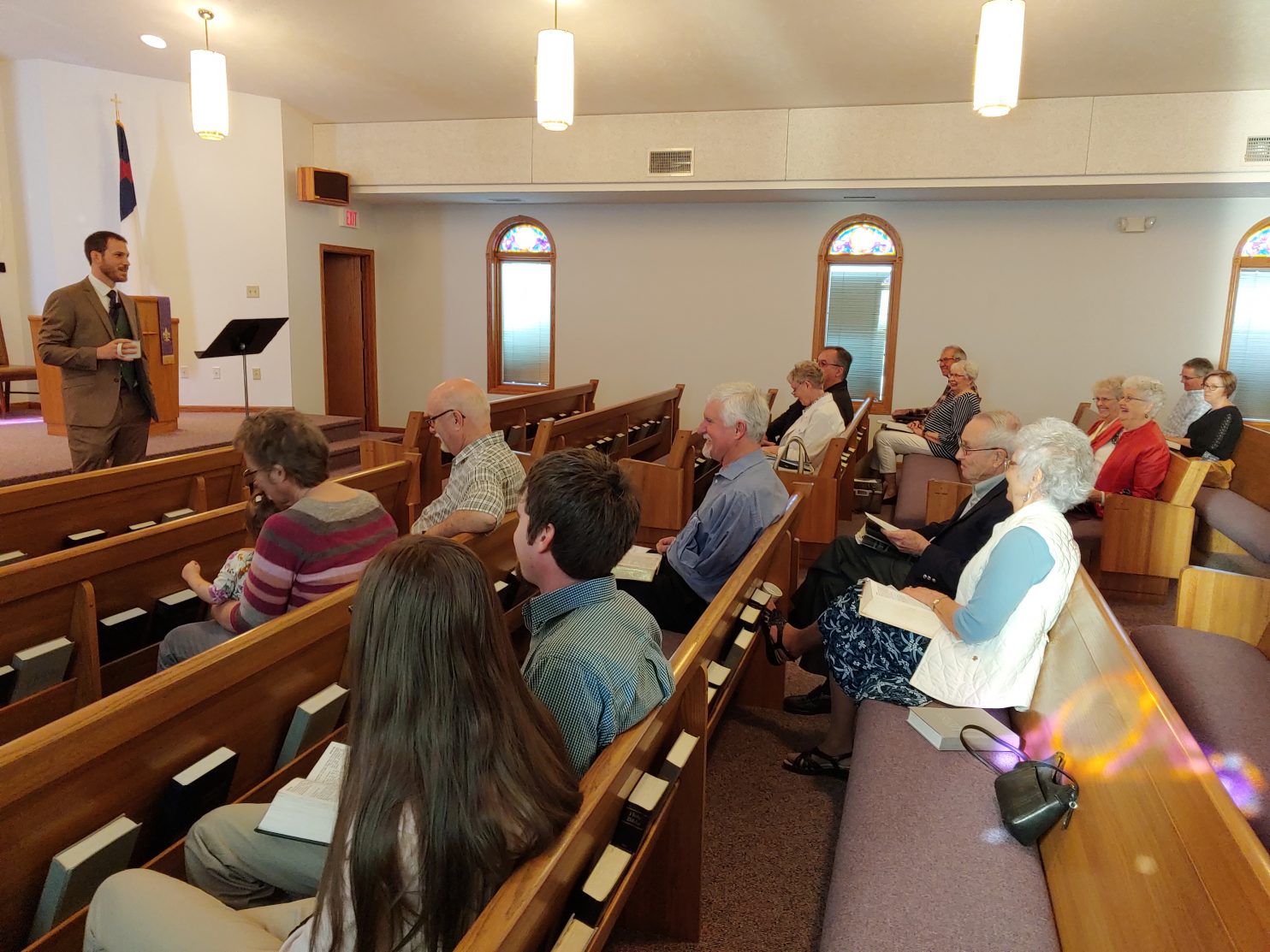
Coach John Wooden is infamous for emphasizing the fundamentals. I know nothing of the college basketball world, but I do know this: Coach Wooden stressed the fundamentals, going so far as teaching his college players (yes, COLLEGE players) how to put their socks on. These weren’t kindergartners, but legal adults. And he’s teaching them how to put on their socks?
Creatively Adapting

The end of the school year found us scrambling for ideas on how our churches’ children’s ministry would continue to function. Almost overnight, our Release Time (religious education) classes were canceled, Sunday School was no more, and it looked like VBS most likely wouldn’t be happening in 2020. Then, we prayed. We began to brainstorm, bouncing ideas off of each other.
Learning Curves
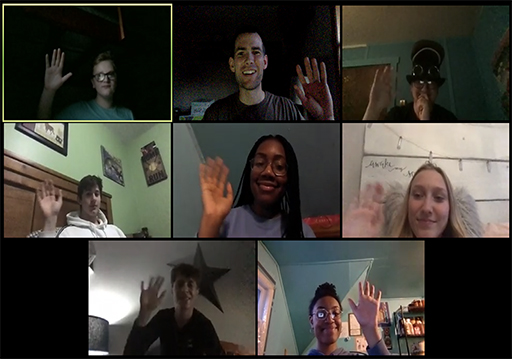
“The angel of the Lord encamps all around those who fear Him and delivers them” (Psalm 34:7). This is one of the Bible memory verses shared recently in online Sunday School.
Still Connected

“Do not fear! Stand by and see the salvation of the LORD which He will accomplish for you today” (Exodus 14:13 NASB).This is a verse we have been memorizing with all our Sunday school children during this time we have not been able to physically meet together. Scripture memory is one thing we do during our regular Sunday school openings,
Creative Ideas for Your Sunday School Classroom
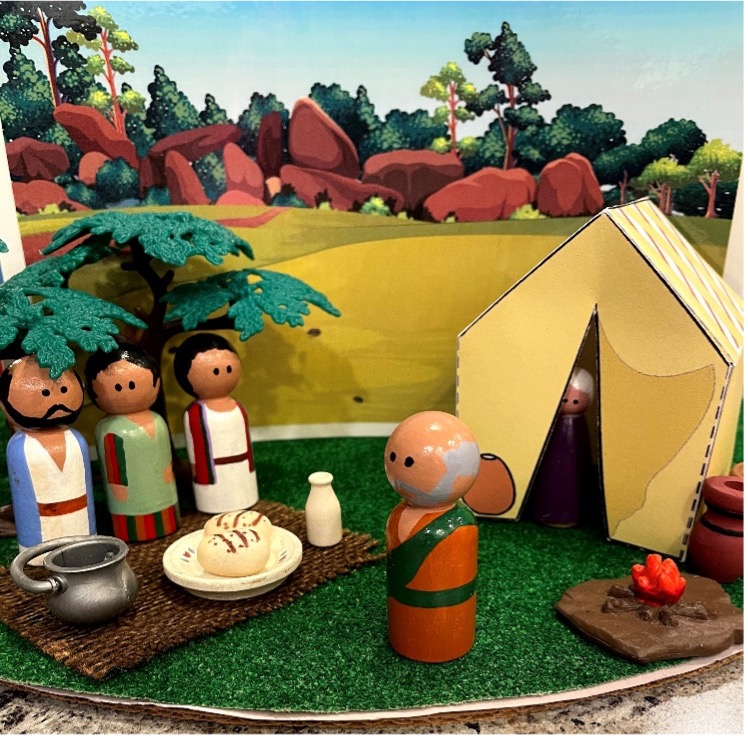
“I’m going to sit right in the middle, so I don’t miss a thing!” This was the comment from one of my Sunday School kindergarten students as I set up my shadow puppet screen to tell that Sunday’s Bible story. Today’s kids are bombarded with visual technology at home, at school, and even in the car. What can we do as Sunday School, VBS and Kids Club teachers that will keep our students engaged and excited to come and learn about the God and Savior of the Bible? My answer – there are lots of ways! Here are seven of the twenty-some methods I use.
Through the Eyes of a Child

A tear trickled down her cheek. Yet her eyes were fixed. I felt breathless. I wanted to stop. I wanted to freeze the moment in time. But I couldn’t stop
A Case for Character: Towards a Lutheran Virtue Ethics

Dr. Joel Biermann (Professor of Systematic Theology at Concordia Seminary, St. Louis) has written an important book entitled A Case for Character: Towards a Lutheran Virtue Ethics. I should begin by defining virtue ethics. You may have taken a course in Christian ethics that dealt with issues like abortion, euthanasia, just war, and capital punishment. Virtue ethics, on the other hand, is more interested in the routine, ordinary habits and practices that people make in daily life. Virtue ethics assumes that humans have a telos (purpose for which we are made), and that certain practices, habits, skills, and even communities will help us attain this telos better than others. Biermann argues that Lutheran theology, properly understood, is well-suited for producing people of virtue, although many argue that just the opposite is true.
Lutherans in America: A New History
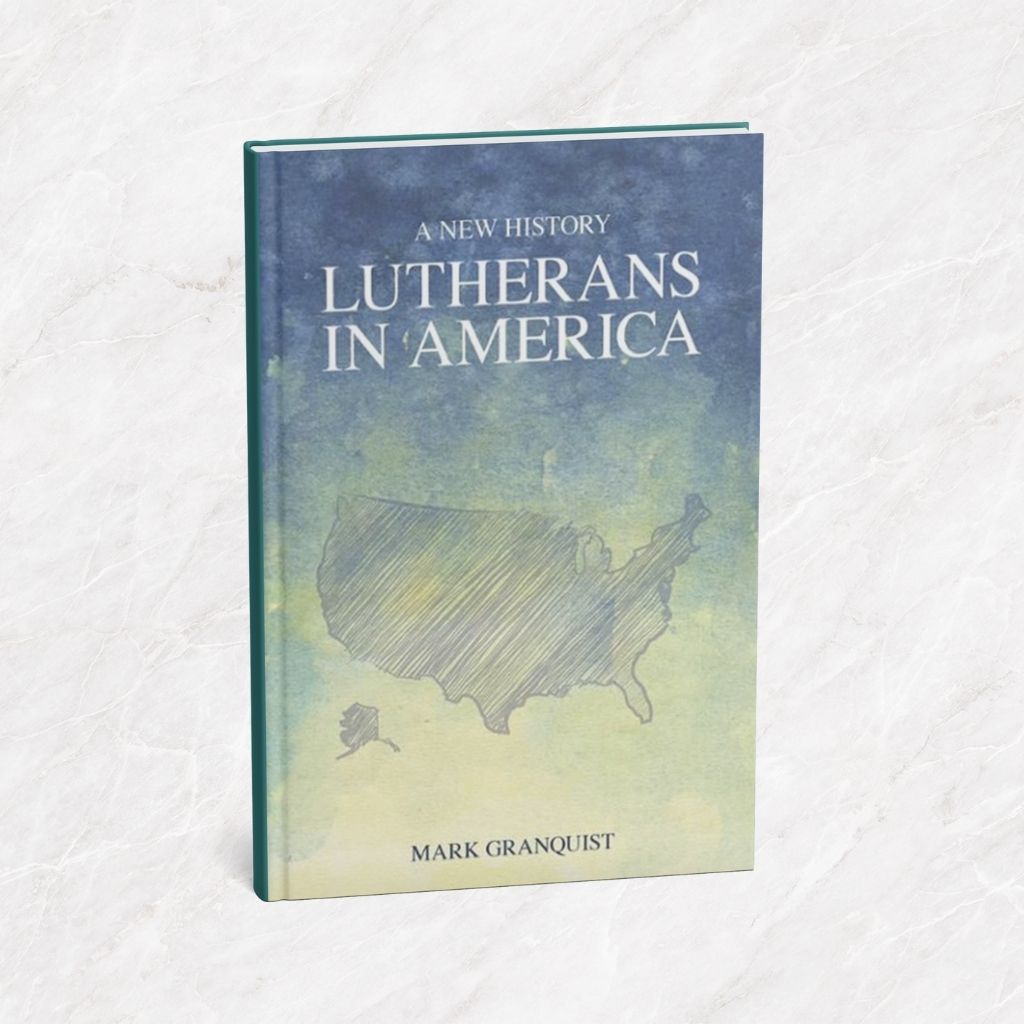
This is the main textbook for one of our AFLC seminary classes, “Lutheranism in America.” Other fine histories have been used over the years for this course, and they are still good resources for studying past events as well as important personalities. The last major text, however, was published in1980, and a lot has happened within American Lutheranism since then. There was need for a more up-to-date text, to tell the story of the formation of the ELCA, for example, and this is what Dr. Granquist has provided for us.